The text that arrives on my phone most summer evenings in Lewisville reads the same: “House is 81 inside. AC is running but blowing warm air. Can you come?” If that’s you right now, you’re not alone. North Texas heat does not forgive, and an air conditioner that suddenly quits cooling turns a regular Tuesday into a small crisis. The right move in the first few minutes saves time, money, and a lot of sweat. I’ll walk you through what to check, what not to touch, what likely failed based on the symptoms, and when it’s smarter to call for Emergency AC repair near me than to keep guessing.
I’ve been up in attics at 3 a.m., standing beside hissing condensers in 105-degree sun, and easing families through the decision to repair, maintain, or replace. Warm air from your vents has specific causes, and most are fixable the same day with the right parts and a steady hand.
What “warm air” tells you about your system
Your AC is a simple idea built from precise parts. The indoor coil absorbs heat from your home, the outdoor unit releases it into the Texas air, and refrigerant carries it between. If you feel warm air, one of four things is happening: the system can’t move enough air, it can’t shed heat outside, the refrigerant circuit is compromised, or the controls are confused.
Insufficient airflow comes from clogged filters, iced coils, dead blower motors, or ductwork leaks. Heat rejection problems point to a dirty outdoor coil, dead condenser fan, or a compressor that’s struggling. Refrigerant issues usually mean a leak or a metering device fault. Control failures include thermostats misreading the room, a tripped float switch from a clogged drain, or a shorted contactor.
Each root cause carries its own sights, sounds, and touch points. A little Emergency AC repair near me sleuthing narrows the field fast.
Quick checks you can do before calling
There are a few safe, no-tools checks that often restore cooling or at least give your technician a head start. If you smell burning, hear a sharp buzzing at the outdoor unit, or see ice buildup, skip straight AC Repair in Lewisville TexAire Heating & Air Conditioning to a professional. Otherwise, move through this short list.
- Make sure the thermostat is on Cool and set at least 3 to 5 degrees below room temperature. Replace the batteries if you haven’t in a year. Check the air filter. If it’s grey and fuzzy, replace it and run the fan for 15 minutes. A starved coil loses cooling fast. Step outside and listen. The outdoor fan should spin. If the top is still but you hear a humming noise, turn the system off and leave it off. That’s usually a failed capacitor, and continued power can ruin the motor or compressor. Inspect the outdoor coil. If it’s matted with cottonwood fluff or lint, turn off power at the disconnect and gently rinse from the inside out. Don’t bend fins and don’t use a pressure washer. Look at the indoor unit’s drain line. If you see water pooling around the air handler or a wet safety switch, the unit may be shut off by design. Clearing a drain can restore operation, but if the pan is full or you’re not sure where the clog is, get help to avoid overflow damage.
If none of these help within ten to fifteen minutes, your next best step is finding reliable AC Repair in Lewisville. Probing deeper without training often leads to bigger repairs, especially during a heat wave when components are already stressed.
What usually fails when Lewisville hits triple digits
August in Denton County exposes weak links. I keep a running tally in peak season, and the same culprits show up week after week. These are the ones I see most when a homeowner reports warm air.
Capacitors and contactors: If the outdoor fan hums but won’t start, the capacitor likely lost its charge. Texas heat cooks these soda-can parts. A stuck or pitted contactor stops power from feeding the compressor and fan. Both are straightforward fixes, but they require the right rating and safe handling around live voltage.
Dirty coils: The outdoor condenser breathes through metal fins. Dirt raises head pressure until the compressor overheats and trips. I once pulled a full layer of dryer lint off a condenser behind a laundry room; cooling returned in 20 minutes. A proper cleaning uses coil-safe cleaner and low-pressure water. Do it incorrectly, and you pack dirt deeper or bend fins, which reduces efficiency long term.
Low refrigerant from a leak: If you see ice on the refrigerant lines or the indoor coil, low charge or airflow restriction is behind it. Leaks come from rubbed lines, failing Schrader cores, or micro-cracks at the evaporator. Topping off without leak detection is like adding air to a tire with a nail. An honest tech pressures the system, adds tracer dye or uses an electronic leak detector, and talks repair versus replacement before adding pounds of refrigerant that will drift out again.
Failed condenser fan motor or compressor: A seized fan leaves the compressor to overheat quickly. You’ll feel hot air blowing out the top cover and then silence as thermal protection kicks in. Compressors fail less often, but when they do, repair math changes. On a system older than 10 years, a failed compressor often nudges the conversation toward AC installation in Lewisville rather than sinking big money into old equipment.
Thermostat or float switch issues: I’ve replaced plenty of perfectly good thermostats that got blamed unfairly. Before you buy a new one, check the drain pan float and the 24-volt wiring at the air handler. A clogged drain line can flip a safety switch that shuts off the system entirely. A simple drain clear and a splash of vinegar through the service tee can bring everything back online.
Blower problems and duct leaks: Warm air with weak airflow points indoors. A blown blower capacitor, a failing ECM motor, or a collapsed return duct will mimic a refrigerant problem. I carry a simple anemometer and static pressure gauge for this reason. Data beats guesswork when the attic feels like a sauna and time matters.
Why timing matters when the system is blowing warm
Every minute a compressor runs without proper cooling shortens its life. Head pressure climbs, oil thins, windings heat up, and the damage compounds. I’ve watched a borderline compressor survive for months when the homeowner shut it down at the first sign of trouble, then I’ve seen a good compressor die in an afternoon because it was left to grunt through a failed fan motor. If the outdoor fan is not spinning or the refrigerant lines at the condenser feel oddly warm instead of one hot, one cold, turn it off and wait for a technician.
In peak season, response times stretch. Look local to shave hours. AC Repair in Lewisville TX usually beats a dispatcher sending a tech from the other side of the Metroplex. Companies like TexAire Heating & Air Conditioning stage parts and trucks close to the neighborhoods they serve, which shortens the clock from diagnosis to cold air.
What a professional diagnosis looks like when done right
When I arrive to a warm-air call, I move through the same sequence. You should expect your technician to do something similar, not guess from the driveway and run for parts.
First is confirmation of the complaint: thermometer at a supply vent, thermometer at a return. If the difference is below 14 degrees after a few minutes of run time, true cooling is not happening. Next comes static pressure and airflow checks, because refrigerant problems look identical to airflow restrictions at the thermostat. I inspect the indoor coil for frost, the filter, and the blower motor amperage.
At the outdoor unit, I test the capacitor under load, not only with a cheap meter. I check line pressures with gauges or digital probes, then correlate those to coil temperatures to confirm superheat and subcooling against the manufacturer’s chart. If the numbers suggest low charge, I test for leaks before adding refrigerant. If the condenser coil is dirty, I show the customer the surface and explain the cleaning method, because that step alone can restore a 10 to 15 degree drop across the coil in minutes.
I have learned to carry spares for common models when running Emergency AC repair near me routes in Lewisville. Standard capacitors, contactors, universal ECM modules, and a good selection of fan motors reduce second trips. You should feel part of the process, not left in the dark. A good tech explains the tests, shows you readings, and offers options with pricing right there, not a mystery invoice after the fact.
What it might cost, and how to decide if repair is enough
Nobody wants surprises after a sticky night without sleep. Prices vary by company and parts brands, but here’s a reasonable range for common warm-air fixes in our area, parts and labor included. Capacitors and contactors often fall in the low hundreds. A condenser fan motor may run a few hundred higher, depending on OEM versus universal parts. Clearing a condensate clog and resetting a float switch is usually on the lower end unless there’s water damage to address. Refrigerant-related repairs are the wild card. Finding and repairing a small leak plus adding refrigerant might be several hundred to over a thousand, and that bill balloons if the evaporator coil is compromised and out of warranty.
When repair costs start to approach 30 to 40 percent of a new system, or when the unit is older than 12 to 15 years and uses an older refrigerant blend, it’s fair to talk about replacement. AC installation in Lewisville has moved toward higher SEER2 ratings that produce real utility savings during the six-month Texas cooling season. I’ve seen a 14-year-old 10 SEER system replaced with an 18 SEER2 unit cut a summer bill by 20 to 35 percent for a well-sealed home. That matters when you’re pulling 2,000 to 3,000 cooling hours each year.
How to pick the right emergency service so you get cold air fast
A frantic Google search for AC Repair in Lewisville returns a wall of logos. Choose speed, but don’t sacrifice competence or transparency. Late at night, that means trusting your gut on how a company answers the phone and how they set expectations.
- Ask if they carry common parts on the truck and if diagnostics are credited toward repair. Confirm after-hours fees and whether they waive those if a significant repair is made on the spot. Request a ballpark for typical fixes like capacitors or fan motors. A pro won’t lock prices sight unseen but should give realistic ranges. Check whether they service your brand and how soon they can arrive, not just schedule you. Look for a local address and real technician names. In Lewisville, established teams like TexAire Heating & Air Conditioning have earned trust by showing up same day and standing behind repairs.
If the dispatcher plays games with pricing or can’t explain their diagnostic process, keep calling. A clear conversation on the phone sets the tone for the visit.
What you can safely do to stabilize the home while you wait
When your AC quits in the late afternoon, indoor temperatures spike fast. Close blinds on the west side, set ceiling fans to spin counterclockwise for a downdraft, and avoid cooking on the stove or running the dryer. If the unit is blowing warm air due to a frozen coil, switch the thermostat to Fan On and Cool Off for 60 to 90 minutes to thaw the coil. That can prevent flooding when the ice melts and sometimes brings partial cooling back online temporarily.
If you have a two-story home in Lewisville, focus on cooling sleep spaces. Heat rises and gets trapped. Close off unused rooms upstairs to reduce the load. A portable dehumidifier helps more than most people expect. Air at 80 degrees and 45 percent humidity feels far more comfortable than the same temperature at 65 percent humidity because sweat can evaporate. The AC normally wrings moisture, but a broken system leaves you in a sticky box.
Maintenance that buys you summers of calm instead of panic
Warm-air failures rarely happen on well-maintained systems. The big wins come from basics done consistently. A deep coil clean each spring, a refrigerant performance check with real numbers, drain line treatment and clearing, and a blower inspection catch the issues that spike repair bills in August.
AC maintenance in Lewisville TX is not one-size-fits-all. Homes with shedding pets and indoor projects need filters checked monthly, not seasonally. Houses near busy roads pull in more dust through micro-infiltration, which loads coils faster. If your condenser sits under a tree that drops fluff in May, schedule a coil clean right after that bloom. I’ve filmed condenser fins packed solid by cottonwood in a single week.
A proper maintenance visit goes beyond wiping dust and swapping filters. Expect static pressure readings, temperature split verification, capacitor value checks, amp draws compared against nameplate ratings, and a written report that shows trend data year over year. If a tech can’t tell you how your system’s performance compared to last spring, you’re not getting the value you paid for.
Companies like TexAire Heating & Air Conditioning build maintenance plans that lock in scheduling priority during heat waves. When you’re one of their plan customers, your name jumps the line for emergency calls. That alone can save a night’s sleep when the forecast reads 102 at 5 p.m.
What newer systems change about emergency calls
If your unit is less than five years old, it likely uses an ECM blower, communicates digitally with the thermostat, and runs on higher-efficiency refrigerant blends. The upside is quieter, cheaper-to-run comfort. The tradeoff is that diagnosis requires the right tools and a tech who knows your control boards. When a communicating thermostat chain drops out because of a power blip or a corroded low-voltage connection, the system may blow room-temperature air without an obvious error.
I’ve also seen smart thermostats create trouble. They promise miracles, then underpower a common wire and starve the control board. If you recently installed a smart stat and your AC started blowing warm, put the original thermostat back on the wall if you still have it. That quick swap has fixed dozens of “broken” systems in my notebook.
On the installation side, AC installation in Lewisville has matured. A proper replacement includes a load calculation, duct evaluation, and discussion of humidity control. Slapping in a bigger condenser without checking ducts and return sizing leads to short cycling, clammy rooms, and more emergency calls. Bigger is not always better, especially in a climate with heavy latent loads after thunderstorms roll through.
Real stories, real fixes
A family off Garden Ridge called last July at 6:40 p.m. Warm air, outdoor unit humming. I arrived by 7:15. The capacitor had swollen like a tiny soda can left in the sun. We matched the microfarad rating, replaced it, verified fan amperage and superheat, and had 20 degrees of temperature split in 25 minutes. Their total downtime was under two hours because they shut the unit off at the first sign of trouble.
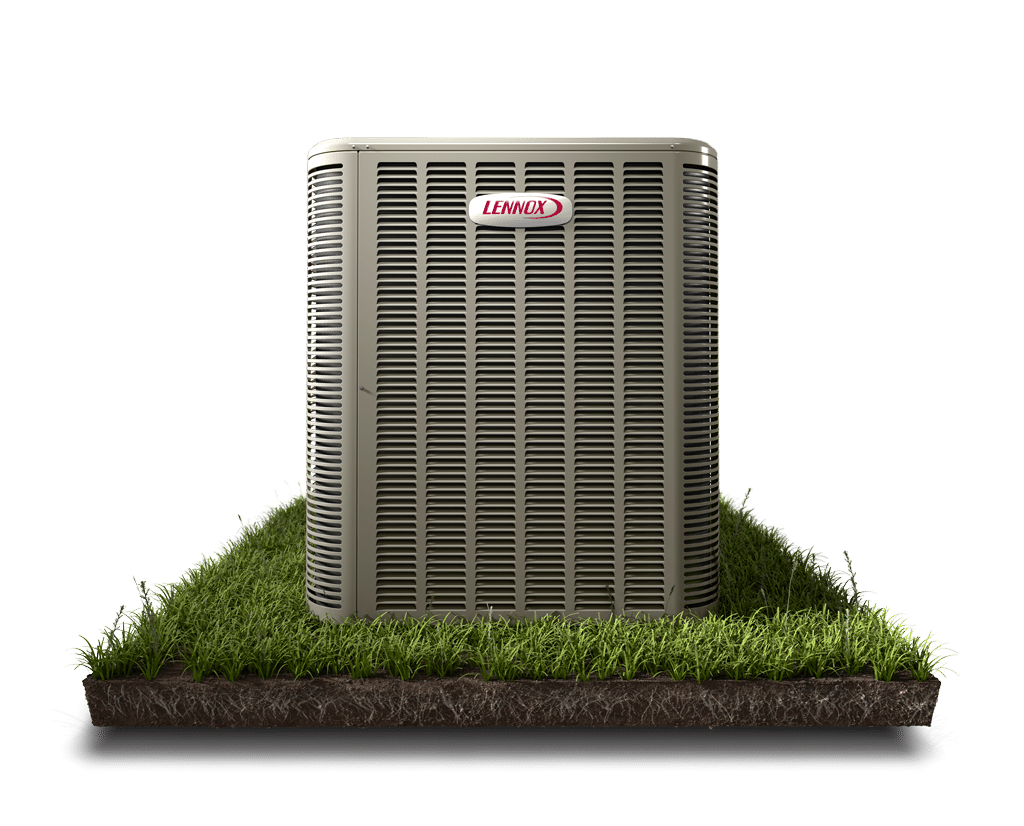
Another call in Castle Hills, same symptom, turned out to be a matted condenser coil. The homeowner had tried to wash it with a pressure nozzle from the outside in, which pinned debris deeper into the fins. I pulled the top, cleaned from inside out with coil cleaner and low-pressure rinse, and watched head pressure drop from the red zone to normal in minutes. We added a note to their maintenance schedule to clean coils every late May to beat cottonwood season.
A third case near Lewisville Lake involved low refrigerant and a frozen indoor coil. The previous company had added refrigerant twice in two summers. We performed a nitrogen pressure test, found a pinhole leak at the evaporator U-bend, and discussed options. Given the unit’s age, they chose replacement. The new system with a variable-speed blower cut their average summer bill by 28 percent over the next two billing cycles, and their master bedroom finally reached setpoint at bedtime, which never happened with the old unit on sultry nights.
The local edge
Lewisville’s housing stock is a mix of 90s builds with marginal return air sizing, 2000s two-story layouts with long supply runs, and newer tight-envelope homes where humidity control matters as much as temperature. A one-size approach misses these details. Local teams get used to the floor plans, the attic layouts, and the utility company rebate programs that can offset part of an upgrade.
When you search AC Repair in Lewisville, look for technicians who talk about static pressure and duct design, not only about selling the highest SEER unit on the truck. Your comfort depends on air movement as much as on equipment efficiency. I’ve turned warm-air complaints into lasting comfort by adding a return, sealing a leaky chase, or balancing dampers, all at a fraction of the price of a major part swap.
When to say “enough” and plan an upgrade
There’s a quiet relief that settles over a home after a well-planned replacement. If your unit is more than 12 years old, uses R-22, needs a major part like a compressor, or has uneven comfort that drives you crazy, it’s worth running the numbers. AC installation in Lewisville has financing options and utility rebates at certain times of year. Ask about SEER2, variable-speed blowers, and thermostats that sense humidity as well as temperature. A system sized to your actual load and matched to your ducts should rarely need emergency service if maintained.
I advise clients to think in terms of total cost of ownership. A lower upfront price paired with higher electric bills and frequent repairs often loses to a mid-tier, well-installed system with strong parts warranties and better humidity control. Over six to eight years, the math usually lands in favor of quality.
The bottom line when the air turns warm
Act fast, but act smart. Verify the basics, then shut the system down if a fan is stalled or lines are icing. Choose a responsive local pro for Emergency AC repair near me so you’re not sweating through midnight waiting on a truck from across the metro area. Expect a clear diagnostic process, transparent pricing, and options that make sense for your home’s age and needs. Maintain the system with intention, not just filter swaps, so peak season passes with fewer surprises.
When the heat hits, small decisions compound. The call you make in the next ten minutes can be the difference between a simple capacitor swap and a compressor that fails under strain. In Lewisville, where the summer sun is both a given and a gauntlet, having a trusted partner like TexAire Heating & Air Conditioning on speed dial gives you leverage against bad timing and worse heat. Keep your cool, literally and figuratively, and your home will repay you with quiet, steady comfort through the longest hot streaks.
TexAire Heating & Air Conditioning
2018 Briarcliff Rd, Lewisville, TX 75067
+1 (469) 460-3491
[email protected]
Website: https://texaire.com/